How Much Does a Roof Replacement Cost in Massachusetts?
If your roof is approaching the end of its life, one of your first questions is probably: How much will it cost to replace?
Larger homes, steep or complicated roofs, damaged decking, and premium materials can raise the total to $25,000 or more.
These figures provide a general starting point, but no contractor can determine the exact cost without inspecting and measuring the roof. Two homes with similar interior square footage can require very different amounts of labor and material.
At Roofing by Gamache, we evaluate the complete roofing system before preparing an estimate. This allows homeowners to understand what their project requires and what is included in the proposed price.
What Determines the Cost of a New Roof?
Several factors affect the cost of replacing a roof in Massachusetts.
1. Roof Size
Roofing is measured by the surface area of the roof, not simply the interior square footage of the home.
A 2,000-square-foot house does not necessarily have a 2,000-square-foot roof. Roof pitch, overhangs, attached garages, porches, additions, and the overall shape of the home can increase the amount of roofing material required.
Larger roofs require more shingles, underlayment, flashing, labor, and disposal capacity.
2. Roof Pitch and Complexity
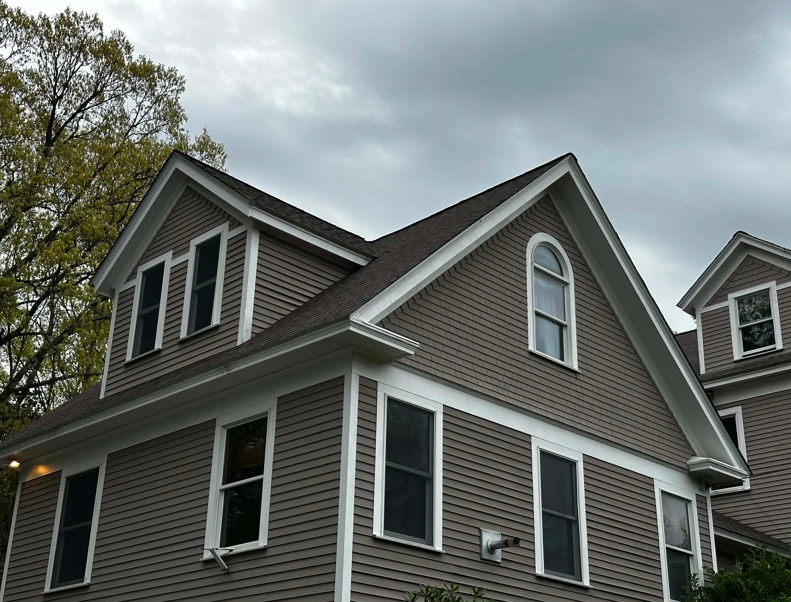
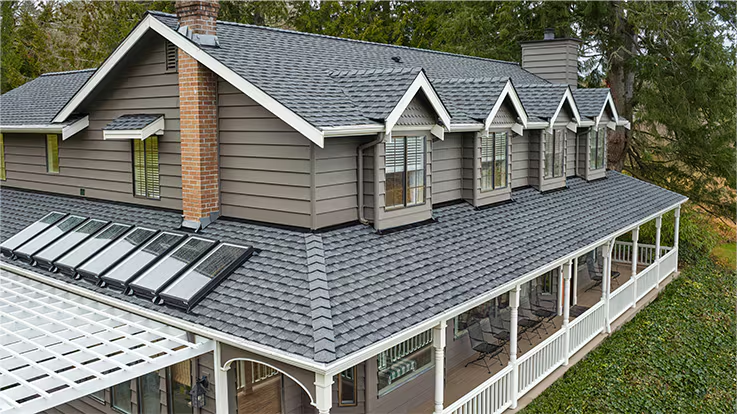
A straightforward gable roof is generally easier and faster to replace than a roof with:
- Multiple levels
- Steep slopes
- Dormers
- Valleys
- Skylights
- Chimneys
- Turrets
- Several roof-to-wall connections
Complex roofs require additional cutting, flashing, safety equipment, and installation time. These details must be handled correctly because valleys, penetrations, and roof transitions are common areas for water intrusion.
3. Roofing Material
Architectural asphalt shingles are among the most common choices for Massachusetts homes. They provide a practical balance of appearance, durability, and cost.
Premium shingles and metal roofing usually require a larger initial investment. The right material depends on the home, the roof design, the homeowner’s budget, and long-term plans for the property.
Material selection can also affect:
- Wind resistance
- Impact resistance
- Manufacturer warranty options
- Expected service life
- Color and curb appeal
- Installation requirements
Read more about our roofing services and available roofing systems .
4. Removal of the Existing Roof
A proper replacement commonly includes removing the existing roofing material so the underlying roof deck can be inspected.
The number of existing layers, the weight of the discarded material, and the difficulty of moving debris from the roof all affect labor and disposal costs.
Removing the old roof also gives the contractor an opportunity to identify concealed problems that may not be visible during an exterior inspection.
5. Condition of the Roof Deck
The roof deck is the wood surface beneath the shingles and underlayment. It must be solid enough to support the new roofing system.
Soft, rotted, delaminated, or otherwise damaged sections may need to be replaced. Decking damage is often caused by previous leaks, trapped moisture, poor ventilation, or an aging roofing system.
Because most of the deck is hidden until the old roof is removed, the exact amount of replacement wood may not be known beforehand. A clear estimate should explain how unexpected decking repairs will be handled and priced.
6. Flashing and Roof Penetrations
Flashing protects vulnerable areas where the roof meets another surface or where something passes through it.
These areas can include:
- Chimneys
- Plumbing vents
- Skylights
- Sidewalls
- Valleys
- Roof edges
- Exhaust vents
Damaged or incorrectly installed flashing can allow water beneath the roofing material. Replacing or rebuilding these details adds to the project cost but is essential to the roof’s performance.
7. Ice-and-Water Protection
Massachusetts roofs must withstand snow, ice, freezing temperatures, and repeated freeze-thaw cycles.
Ice-and-water protection is installed beneath the shingles in vulnerable areas to provide additional protection against moisture. The roof design, local requirements, and installation specifications determine how much protection is needed.
This part of the system is particularly important near eaves, valleys, and other areas where ice or water may collect.
8. Roof Ventilation
A roof replacement is more than a new layer of shingles. The attic and roof ventilation system must also be evaluated.
Improper ventilation can allow excess heat and moisture to accumulate. Over time, this may contribute to condensation, mold, damaged insulation, deteriorating roof decking, and ice-dam conditions.
Depending on the home, the project may require ridge vents, soffit ventilation, baffles, or corrections to an existing ventilation system.
Learn more about the importance of professional roof inspections .
9. Property Access and Site Conditions
Roofing materials and equipment must be delivered, staged, installed, and removed safely.
Narrow driveways, limited yard space, landscaping, nearby buildings, multiple roof levels, and restricted access can make a project more labor-intensive. The contractor must also protect siding, windows, decks, walkways, and surrounding property throughout the installation.
What Should a Roof Replacement Estimate Include?
Price alone does not show whether two roofing estimates provide the same scope of work.
A detailed estimate should explain:
- Removal and disposal of existing roofing
- Selected shingle or roofing material
- Underlayment
- Ice-and-water protection
- Starter shingles
- Flashing and drip edge
- Ventilation components
- Ridge-cap materials
- Decking-replacement terms
- Property protection and cleanup
- Workmanship coverage
- Manufacturer warranty information
A lower estimate may exclude work that another contractor has included. Compare the materials, installation details, and contractor responsibilities before comparing the totals.
Can a Roof Be Repaired Instead?
Not every roofing problem requires a complete replacement.
A repair may be appropriate when the damage is isolated and the remaining roof is still in good condition. Missing shingles, damaged flashing, or a localized leak can sometimes be corrected without replacing the entire system.
Replacement may be the more practical option when:
- Leaks are appearing in multiple areas
- Shingles are extensively cracked, curled, or missing
- The roof deck has widespread damage
- The roof is near the end of its expected service life
- Previous repairs are repeatedly failing
- The cost of ongoing repairs is becoming excessive
A professional inspection can identify the source of the problem and determine whether repair or replacement provides better long-term value.
How Do You Get an Accurate Roof Replacement Price?
The most reliable way to determine cost is to schedule an on-site roof inspection.
During the inspection, the contractor can assess the roof’s dimensions, pitch, materials, flashing, ventilation, visible damage, and accessibility. The contractor can then explain the recommended work and provide an estimate based on the actual property.
Roofing by Gamache provides residential roofing services in Northborough, Worcester County, and surrounding Massachusetts communities. Our team can inspect your roof, explain the available options, and prepare a clear estimate for the work your home requires.
Request a Free Roofing Estimate
Concerned about the condition or cost of replacing your roof? We will evaluate your roofing system, identify visible concerns, and explain the next steps based on your home and budget.
Request a Free Estimate